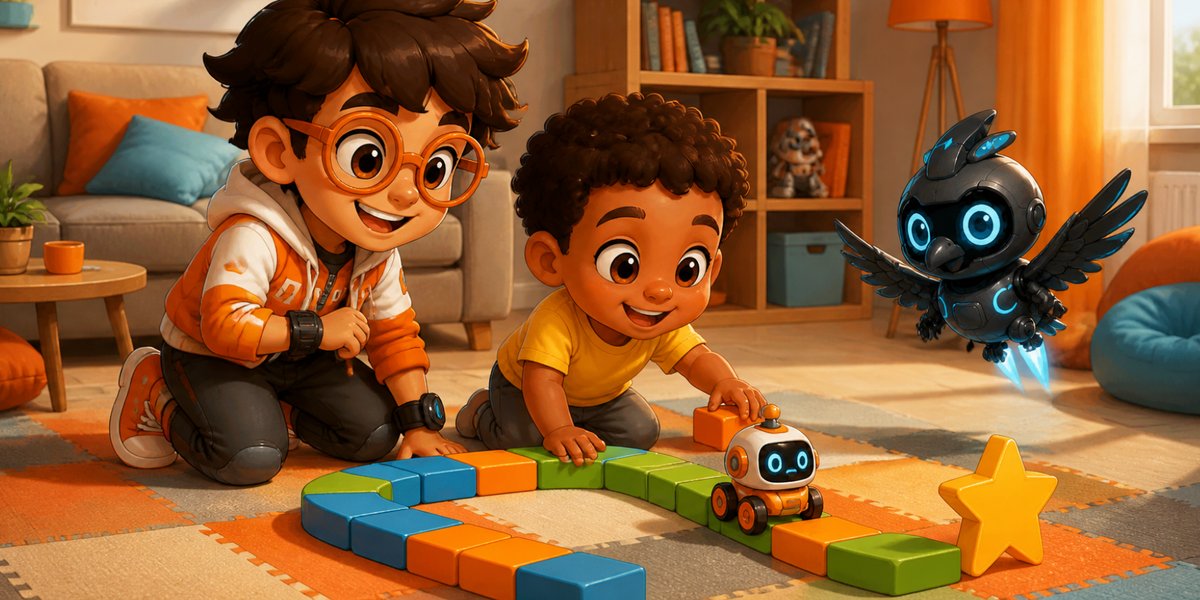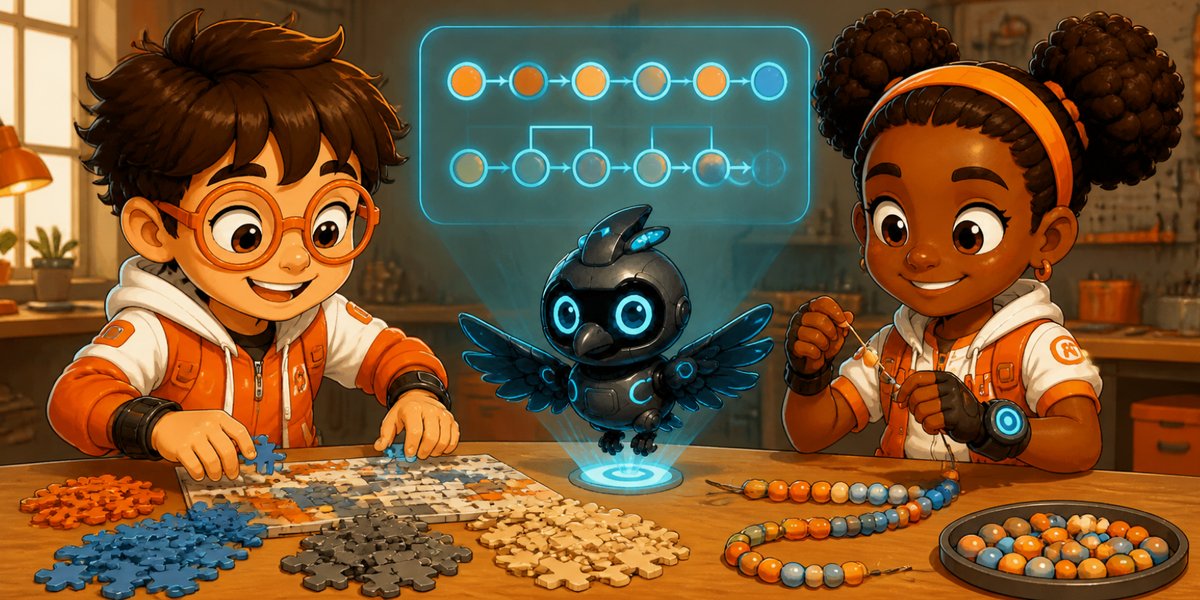
AI Literacy for Kids: The Five Big Ideas, Explained for Parents
What kids in K-5 should understand about artificial intelligence, using the Five Big Ideas from the AI4K12 initiative, with kitchen-table activities for each one.
· 4 sources cited

What kids in K-5 should understand about artificial intelligence, using the Five Big Ideas from the AI4K12 initiative, with kitchen-table activities for each one.
· 4 sources cited
A simple weekly rhythm for homeschool STEM in K-5 that costs nothing: one coding strand, one science strand, a build day and a sky night, checked against the standards schools use.
· 3 sources cited
What the National Microschooling Center's survey of 400 microschools shows about who they serve, and how a small learning group can use free daily courses for coding and science.
· 2 sources cited
Sounds first, then letters, then blending. A plain-language walk through the US Department of Education's K-3 reading guide, with five-minute games you can play at home.
· 2 sources cited
How to tell whether a homeschool curriculum is truly secular, with a quick checklist covering science, history, reading lists and sample lessons.
· 3 sources cited
What sight words are, which ones are worth flashcards, and a short daily routine for kindergarten and first grade built on the US Department of Education's reading guide.
· 3 sources cited
What coding looks like at five, the signs a child is ready to start, and how to pick tools and routines that fit a kindergartner instead of shrinking down a big-kid course.
· 5 sources cited
Five things to check before you sign a young child up for an online course: age fit, session length, ads, privacy, and progress a parent can see.
· 6 sources cited
What COPPA is, what it asks of websites and apps for children under 13, what it doesn't do, and the questions to ask before your child signs up for anything.
· 4 sources cited
What the American Academy of Pediatrics and the World Health Organization say about kids and screens, and how to make learning time on a screen worth it.
· 9 sources cited
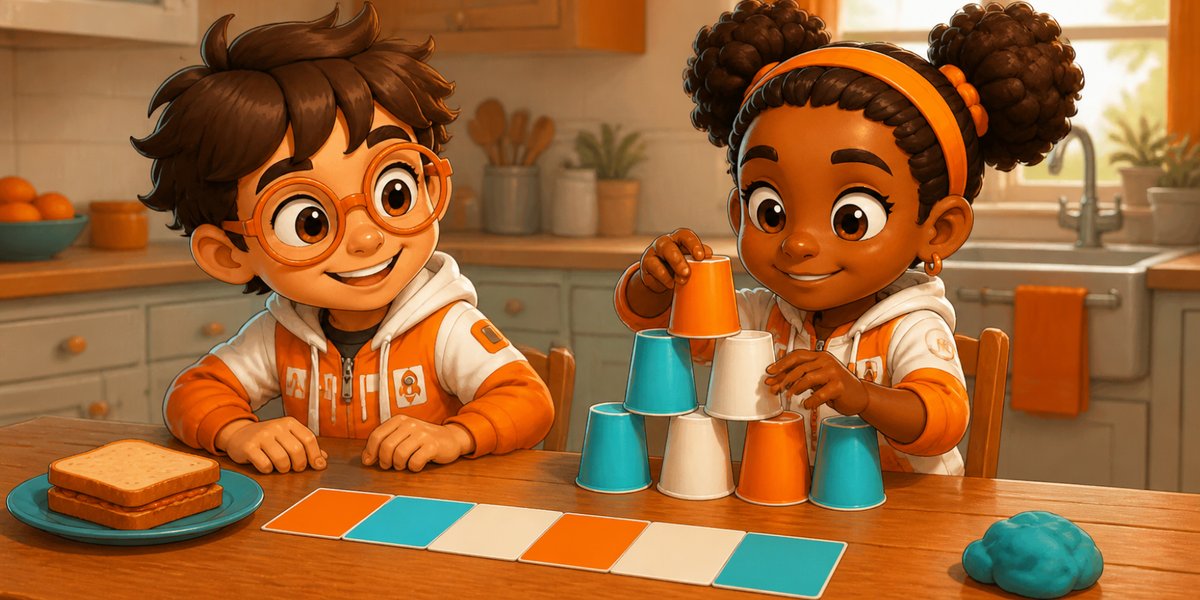
Sequencing, loops and debugging with cups, clay, sandwiches and a clapping game. Screen-free coding practice for kids in kindergarten through grade 3.
· 4 sources cited
Computational thinking is a way of solving problems, and young children use it long before they touch a computer. Here is what it looks like at ages 5 to 8 and why it reaches well past coding.
· 5 sources cited
A short, parent-tested approach to keeping summer learning gentle: 15 minutes a day, a few books your kid likes, and zero crying at the kitchen table.
Forget the 100-item readiness lists. Here are the five things that will quietly determine whether your kid has a smooth first month of kindergarten.
What to actually shore up over the summer between second and third grade, multiplication readiness, fluent reading, and writing in paragraphs.
A short, parent-tested reading list for each grade band, Pre-K through Grade 6. Books your kid will actually pick up.
A practical summer learning routine, sample week, what to do when your kid resists, and why fifteen minutes is the right size.